


8 ETIQUETTE YOU MUST KNOW AS A REAL GENTLEMAN
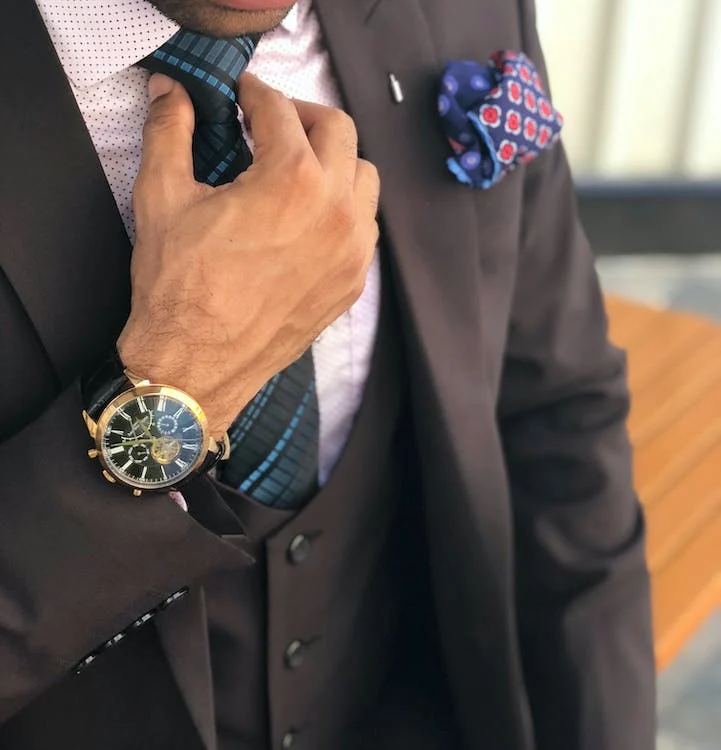
Being a gentleman means being courteous and polite to both women and men. It’s not just about looking good, but also about pleasing those around you.
You will gain respectability if you behave correctly. This is why it’s important to invest time in learning how to behave properly and pay attention in social settings. Being courteous demonstrates your maturity and ability to manage your interactions with others, which is important for your professional and personal lives. A key component of being a gentleman has good manners. Depending on the context, audience, and use of the word “manner,” numerous meanings might be associated with it. That’s why, gentleman, I wanted to discuss the value of manners. So that you can know how to respond appropriately in those scenarios, let’s examine what it means to be polite in various situations.
1. Be Well-Dressed
More than just what you wear, dressing good also involves how you carry yourself in public. Avoid wearing anything that is excessively tight or has creases if at all feasible (e.g., wrinkles around your neckline). Additionally, check to see that everything, from your shoes all the way down to your heels (no wedges), fits perfectly without any gaps between each article of clothing and accessory. You should present yourself well. especially if you’re going outside where appearance matters a lot.
02. Keep Your Promises
One of the most important things a man can do is keep his promises. Men are more direct, which can be beneficial in some situations but not in others. But when it comes to keeping your word, remember this rule: if you say you’ll do something, do it! If you commit to something, whether it’s going out with friends or taking on new responsibilities at work, then stick to your word. Honesty and integrity are important virtues for any man, but they are especially important when it comes to relationships or business dealings with other people.
03. Attendance
Being present entails being present at the moment, regardless of what you’re doing. You have no control over how long someone else is on their phone or whether they look at their phone at all (and no one wants to be rude by asking them to look up from the screen). But you can choose to be present in your own life, even if it means skipping a few hours of social media per day.
If you text while driving and have an accident, that will haunt you for the rest of your life. However, if, instead of texting while driving (or engaging in any other distracting activity), when the time comes again tomorrow morning and those thoughts are still fresh in your mind because
If they haven’t been cleared away yet, perhaps those thoughts will lead to something positive instead. So gentlemen, try to be punctual.
04. Never gossip about others behind their backs.
Another common courtesy is to avoid gossiping behind people’s backs. If you have something positive to say, it is preferable to say it in person rather than online.
If you see someone walking down a busy street looking down at their phone, don’t point at them and say, “Look at me!” Instead, make eye contact with them. Also, avoid saying anything negative about people who are present in front of you because this can be considered rude and may make others feel uneasy around you.
05. Speak up for those who are unable to.
Do not be afraid to defend your beliefs. It is critical to speak up in defense of someone who is being spoken down to. This can be accomplished by saying something like, “Excuse me, but I believe what you’re saying is incorrect.” “I disagree with that statement,” for example.
In an argument or disagreement between two people, you should also be fair in deciding who gets the last word.
06. Keep the door open
It’s a small gesture with a big impact, especially if you’re in a hurry and don’t have time to wait for someone else to open their door. If you see an elderly person who appears to be having difficulty walking, hold the door open for them and offer them your arm if necessary. This is also important to keep in mind when opening doors for younger people; if someone appears to be fumbling or tripping over themselves while holding open the old-fashioned kind (which does not fit into our modern digital age), assist them by opening one of those fancy ones that slide open on command!
Being a gentleman means being courteous and polite to both women and men. It’s not just about looking good, but also about pleasing those around you. There are numerous resources available to assist you in learning how to be a gentleman, so if you want more tips like these, check out our article on how to be a gentleman or visit the Gentleman’s Guide website for more information on what it means to be an upstanding citizen in today’s society!
7. Remove Your Hat Indoors
Men used to wear hats, headgear, and armor to protect themselves from enemies and the elements.
Indoors, headgear was removed as a sign of trust (i.e. “a sign that we are among friends”) and to ensure that outdoor elements (i.e. rain, dirt, snow) did not fall on meals or other people. Taking your hat off, as was customary in the past, shows respect for the establishment you are entering.
Furthermore, once indoors, you do not need to protect yourself from any “elements”!
8. Celebrate Gracefully
Who knows when our culture of obsession with ourselves truly began?
What we do know for certain is that our culture’s proclivity for over-sharing and boasting about all of the wonderful things going on in our lives is a relatively new phenomenon.
It was considered impolite to talk about how much money you made, and it was discouraged to brag about your children’s accomplishments (for example), for fear of instilling “big heads” and “inflated egos” in them.
Fast forward to the turn of the century, when the internet and social media revolutionized everything.
It became socially acceptable not only to share your accomplishments but also to shamelessly brag about them.
It wasn’t long before it was socially acceptable not only to share your accomplishments but also to shamelessly brag about them, with the virtual guarantee of being praised and validated.
The term was coined in 2010 by comedian Harris Wittels, who created a Twitter account dedicated to calling out “humblebraggers.”